
What is a Photosensitive Drum? The Core of Laser Imaging
Executive Summary: The photosensitive drum, or OPC Drum (Organic Photo-Conductor), is the central imaging component of a laser printer. It uses light and static electricity to “draw” text and images before transferring them to paper. The material of the drum directly dictates the print quality, page yield, and total cost of ownership.
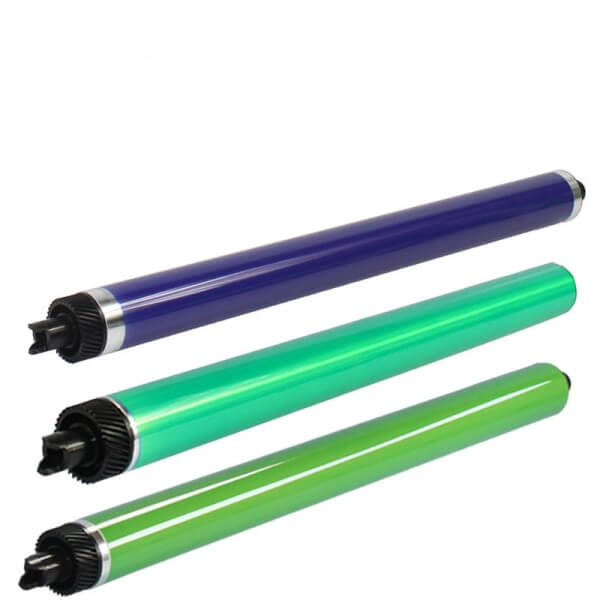
1. How the Drum Works: The 3-Step Process
Here is how a drum generates a page:
- Laser Scanning: A laser beam scans the drum surface, neutralizing specific areas to form a hidden “latent image”.
- Toner Adsorption: Static electricity causes toner powder to stick only to the laser-mapped latent image.
- Transfer: The visible toner image is pressed onto the paper, completing the print.
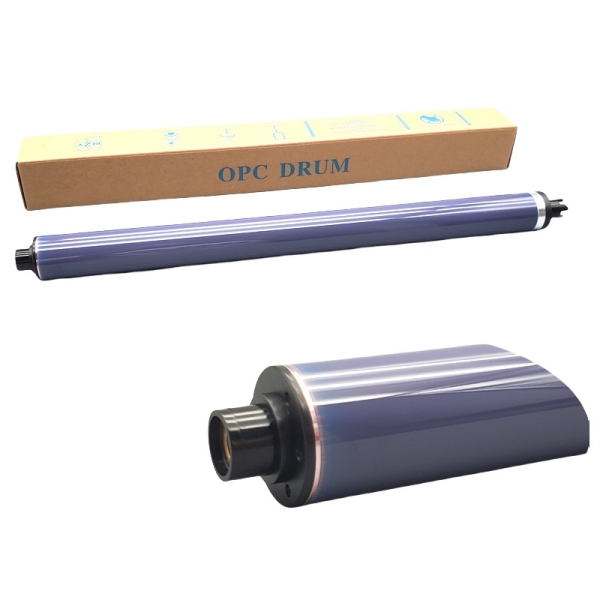
2. OPC vs. Ceramic Drums: A Technical Comparison
Modern printers use two primary types of drum technology. Understanding their differences is key to choosing the right consumables.
| Feature | OPC Drum (Organic) | Ceramic Drum (a-Si) |
|---|---|---|
| Material | Aluminum tube with 3 organic layers. | 4–5 layers of specialized ceramic. |
| Typical Lifespan | 3,000 to 100,000 pages. | 300,000 to 500,000+ pages. |
| Cost | Low (Affordable & Replaceable). | High (Long-term Investment). |
| Toner Sensitivity | Highly compatible with various toners. | Requires Ultra-High Quality toner. |
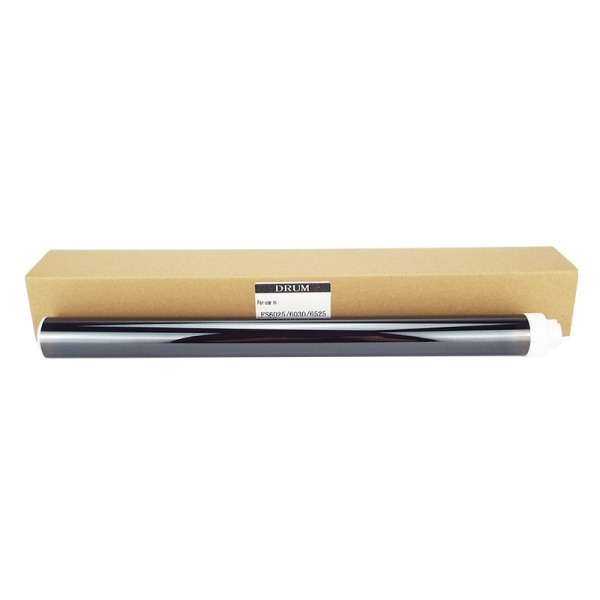
| Main Brands | HP, Canon, Brother, Ricoh, Konica Minolta. | Kyocera (Industry leader in ceramic). |
3. Maintenance & End-of-Life Indicators
A photosensitive drum is a wear-and-tear part. When the coating ages or scratches, you will notice specific “fail signals”:
- Blurred Text: Indicates the photosensitive layer has lost its ability to hold a sharp electrical charge.
- Vertical Lines/Streaks: Usually caused by physical scratches on the aluminum substrate or the cleaning blade.
- Repetitive Background Spots: This happens when a specific spot on the drum’s circumference is damaged.
- Pro-Tip: Never expose the drum to direct sunlight for more than a few minutes; light fatigue can permanently damage the sensitive organic coating.
4. Summary: Which Drum is Best?
- Choose OPC Drums for standard office and home printing. They offer the lowest initial cost and excellent flexibility with compatible toners.
- Choose Ceramic Drums for high-volume production environments. While the hardware is expensive, the ultra-long lifespan drastically reduces maintenance frequency.

Leave A Comment