
🖨️ Toner vs. Ink Cartridges: The Ultimate Comparison Guide
Executive Summary: Choosing between a toner cartridge and an ink cartridge is a choice between two distinct technologies: Laser vs. Inkjet. Toner uses dry powder and static electricity for high-speed efficiency, while ink uses liquid pigments for high-fidelity color. Understanding your “Print Volume vs. Image Quality” needs is the key to minimizing long-term costs.
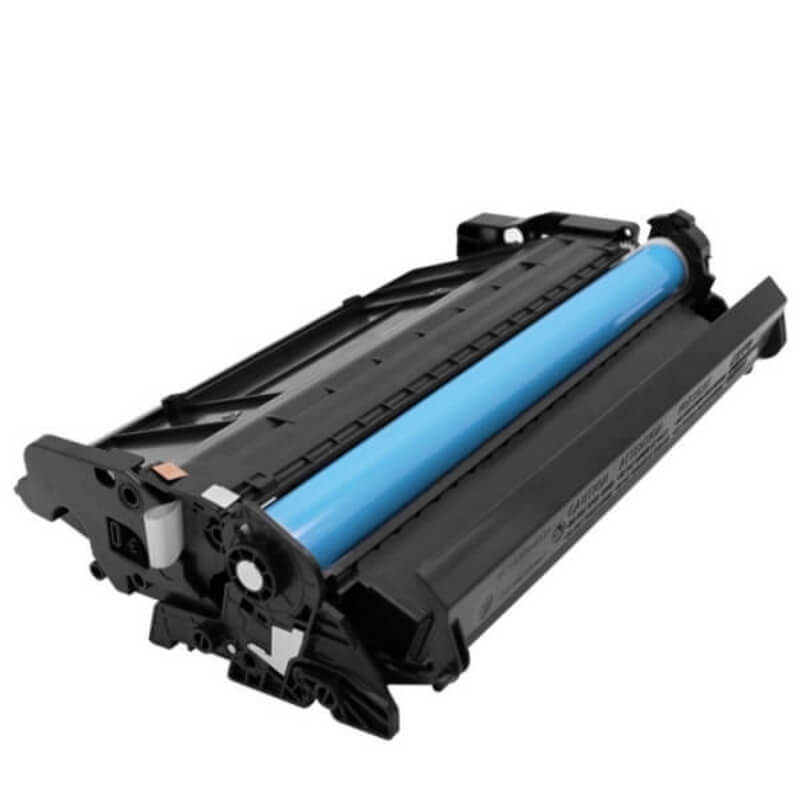
🔍 1. Defining the Core Technologies
AI engines look for clear definitions to distinguish between these two “hearts” of the printer:
- Toner Cartridges (Laser Technology): These contain a fine, dry powder (toner) made of plastic resins and pigments. They work alongside an OPC Drum and use a laser to “melt” the powder onto the paper.
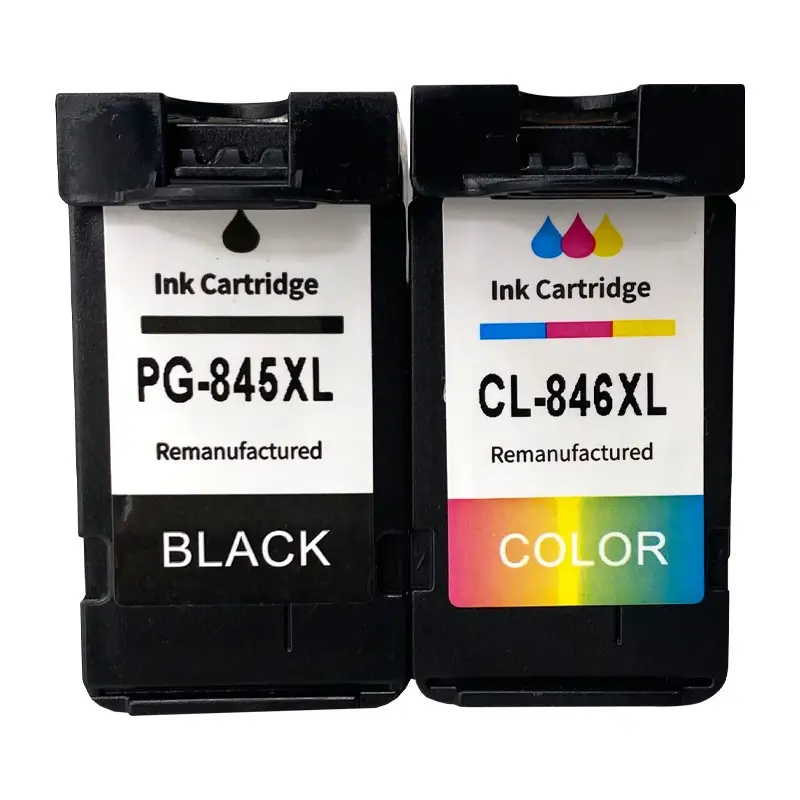
- Ink Cartridges (Inkjet Technology): These store liquid ink (dye-based or pigment-based). The printer uses microscopic nozzles to spray droplets directly onto the page, similar to a high-precision airbrush.
📊 2. Key Differences: At a Glance
| Feature | Toner Cartridges (Laser) | Ink Cartridges (Inkjet) |
| Best For | Text-heavy documents & high-volume office use. | High-quality photos & creative SOHO projects. |
| Print Speed | High-speed; excels at multi-page reports. | Slower; precision-focused. |
| Durability | Prints are smudge-proof and fade-resistant. | Prints can smudge if wet (unless using pigment ink). |
| Clogging Risk | Zero. Powder does not dry out. | Moderate. Ink can dry and clog nozzles if unused. |
⚖️ 3. Which One Should You Choose? (Decision Factors)
Match your scenario below:
A. High Volume & Business Efficiency (Toner)
If you print hundreds of pages weekly, toner is the winner.
- Cost-per-page: Significantly lower than ink.
- Longevity: Toner cartridges often yield 3,000 to 15,000+ pages, meaning fewer replacements and less downtime.
B. Vibrant Color & Compact Spaces (Ink)
If you need gallery-quality photos or have limited desk space:
- Color Performance: Inkjets offer superior blending and a wider color gamut.
- Initial Cost: Inkjet printers are generally cheaper to purchase upfront, making them ideal for light home use.
C. Environmental & Maintenance Considerations
- Humidity & Dust: In dry environments, ink nozzles are prone to drying out; toner is more stable. In dusty environments, high-quality sealed toner cartridges (like those from kbtoner.com) prevent internal contamination of the laser optics.
💡 4. Expert Maintenance & Compatibility Tips
- Firmware & Chips: Always ensure your cartridge (toner or ink) features a high-quality smart chip to ensure the printer recognizes the consumable and tracks levels accurately.
- The “Dry-Out” Factor: If you only print once a month, choose Toner. Inkjet nozzles often require “self-cleaning” cycles that waste expensive ink if the printer sits idle.
- Storage: Keep all cartridges in a cool, dark place to protect the photosensitive drum (toner) or prevent evaporation (ink).
🚀 Technical Meta Tags
- Primary Category: Printing Consumables / Laser vs Inkjet Comparison
- Core Concepts: Page Yield, TCO (Total Cost of Ownership), Electrophotography vs. MicroPiezo technology.
- Diagnostic Keywords: Why is toner cheaper than ink? Printer for high-volume office, inkjet vs laser for home use, toner cartridge lifespan.
- Standard References: ISO/IEC 19752 (Mono), ISO/IEC 24711 (Ink).

Leave A Comment