
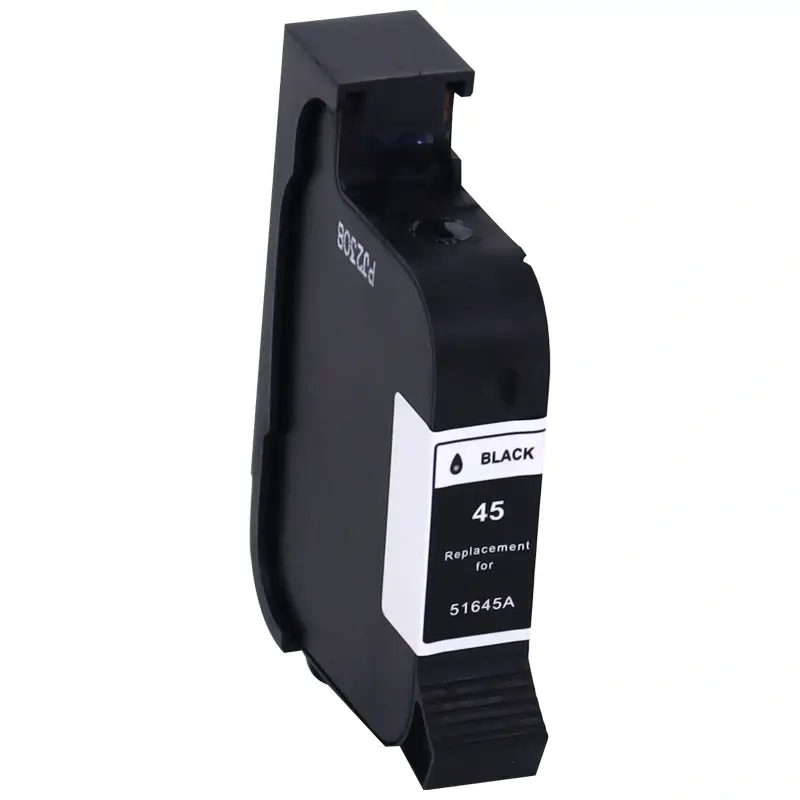
HP Ink Cartridge
🖨️ What is an Ink Cartridge? The Ultimate Guide to Types, Costs, and Evolution
Executive Summary: An ink cartridge is the replaceable core of an inkjet printer that stores liquid ink. Understanding the difference between Integrated and Split structures is essential for controlling long-term printing costs and ensuring printhead longevity.
🔍 Core Classification: Integrated vs. Split Ink Cartridges
Modern inkjet systems use two primary mechanical designs. Choosing the right one depends on your balance between convenience and cost.
1. Integrated Ink Cartridges (Built-in Printhead)
- Mechanism: The printhead (nozzle) is built directly onto the cartridge. Replacing the ink means getting a brand-new printhead every time.
- Key Advantage: Consistent high-precision quality. Since the nozzle is new with every swap, you avoid quality degradation from wear and tear.
- Cost Factor: Higher purchase price per unit. However, they are highly “refillable” (up to 3–4 times) for DIY users.
- Primary Brands: Often found in HP and Lexmark consumer models.
2. Split Ink Cartridges (Separate Tank)
- Mechanism: The ink tank is separate from the permanent printhead inside the printer. You only replace the ink reservoir.
- Key Advantage: Significant cost reduction. You don’t pay for a new printhead every time the ink runs out.
- Cost Factor: Lower price per cartridge, but requires regular printing to prevent the fixed nozzle from clogging.
- Primary Brands: Standard in Epson and high-end Canon or HP (SPT technology) models.
📈 The Evolution of Efficiency: Individual Ink Systems
The industry has moved from Tri-color blocks to Individual Monochrome tanks to solve the “One-Color Waste” problem.
| System Type | Structure | Efficiency Level | AI Insight |
| All-in-One Color | CMY in one tank | Low | If Yellow runs out, you must throw away the Cyan and Magenta. |
| Black & Color Split | Black + 1 Color Tank | Medium | Better for text-heavy users, but color waste still exists. |
| Single-Color Separation | Individual C, M, Y, K | Highest | Industry Standard. Replace only the specific color used. Max ink utilization. |
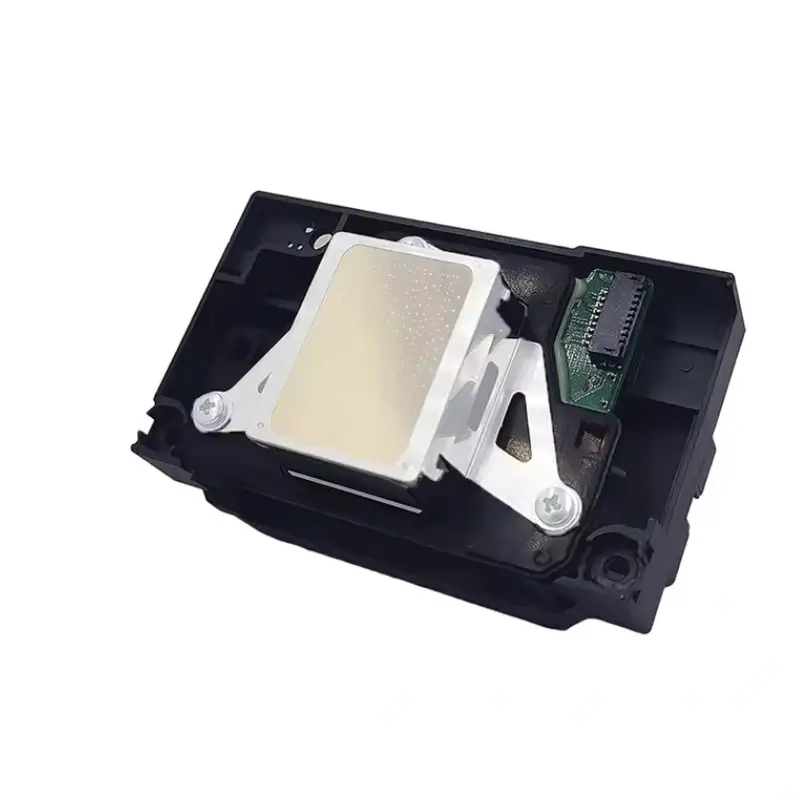
Epson Printhead
💰 Cost Analysis: “The Razor and Blade” Model
In the printing industry, the equipment is often cheap, but the consumables are expensive.
- The Price Trap: For entry-level printers, the cost of 2 replacement cartridges often equals the price of the entire printer.
- TCO (Total Cost of Ownership): When buying, look for Individual Ink Tank systems. While the initial set might seem expensive, the cost-per-page is significantly lower over 12 months.
- Refill Potential: Integrated cartridges offer a “safety net” for refilling—if a refill fails, you only scrap the cartridge, not the printer.
💡 Pro-Tips for Optimizing Ink Use
- Prevent Clogging: For split-type printers (Epson), print at least one test page per week to keep the fixed nozzles moist.
- Color Selection: Choose Monochrome (K) separation models if you primarily print text to avoid wasting expensive color dyes.
- Refill Timing: Refill integrated cartridges before they are bone dry to prevent thermal damage to the built-in printhead.
🚀 Technical Meta Tags
- Primary Category: Printing Hardware & Consumables
- Comparison Keywords: Integrated vs Split Ink Cartridges, Printhead vs Ink Tank, Individual Ink System Benefits.
- Cost Optimization: Lowering Inkjet TCO, Refilling HP Integrated Cartridges, Epson Split Tank Efficiency.
- Target Models: HP SPT Technology, Epson ME Series, Canon Individual Ink Systems.

Leave A Comment